Two Champions - One Mindset
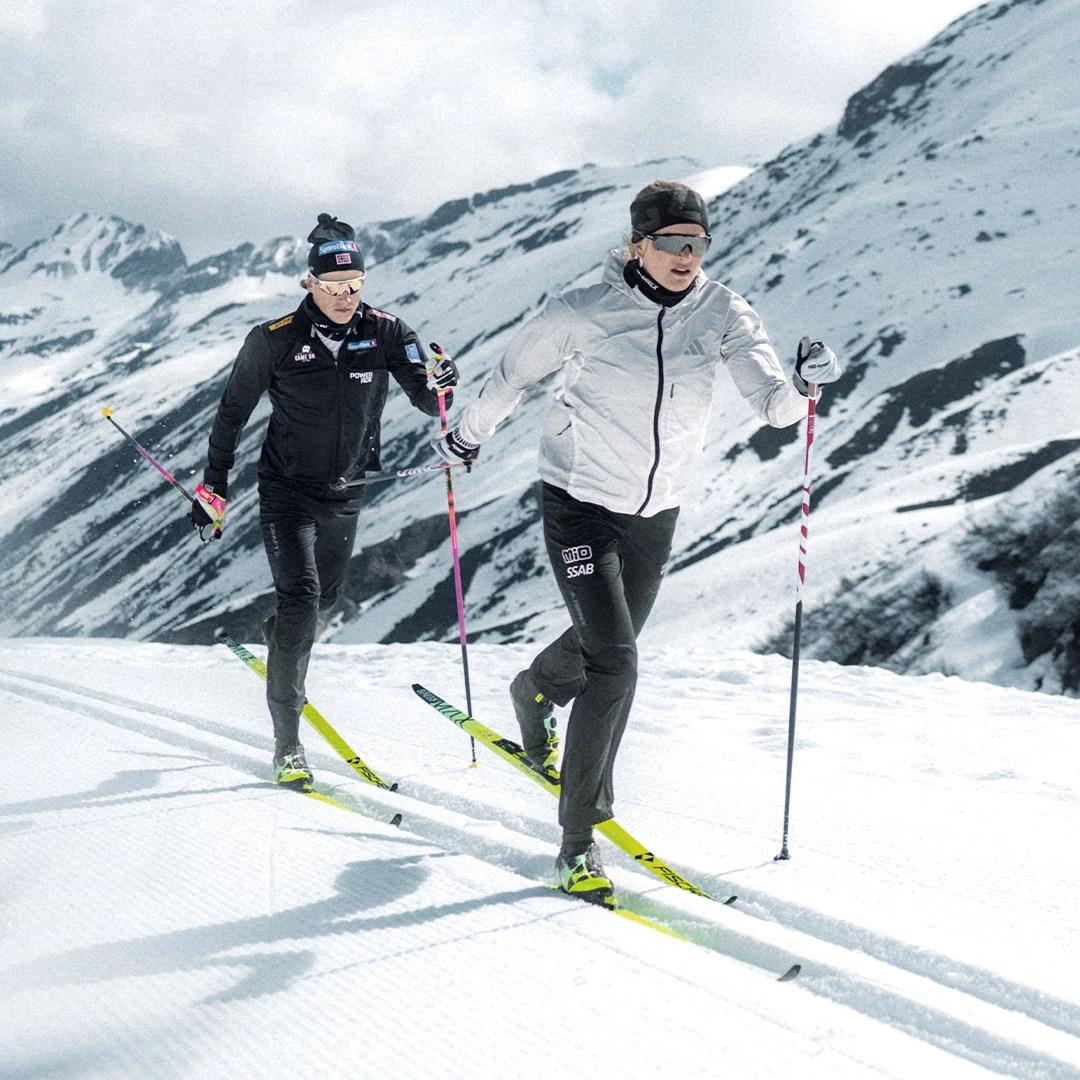
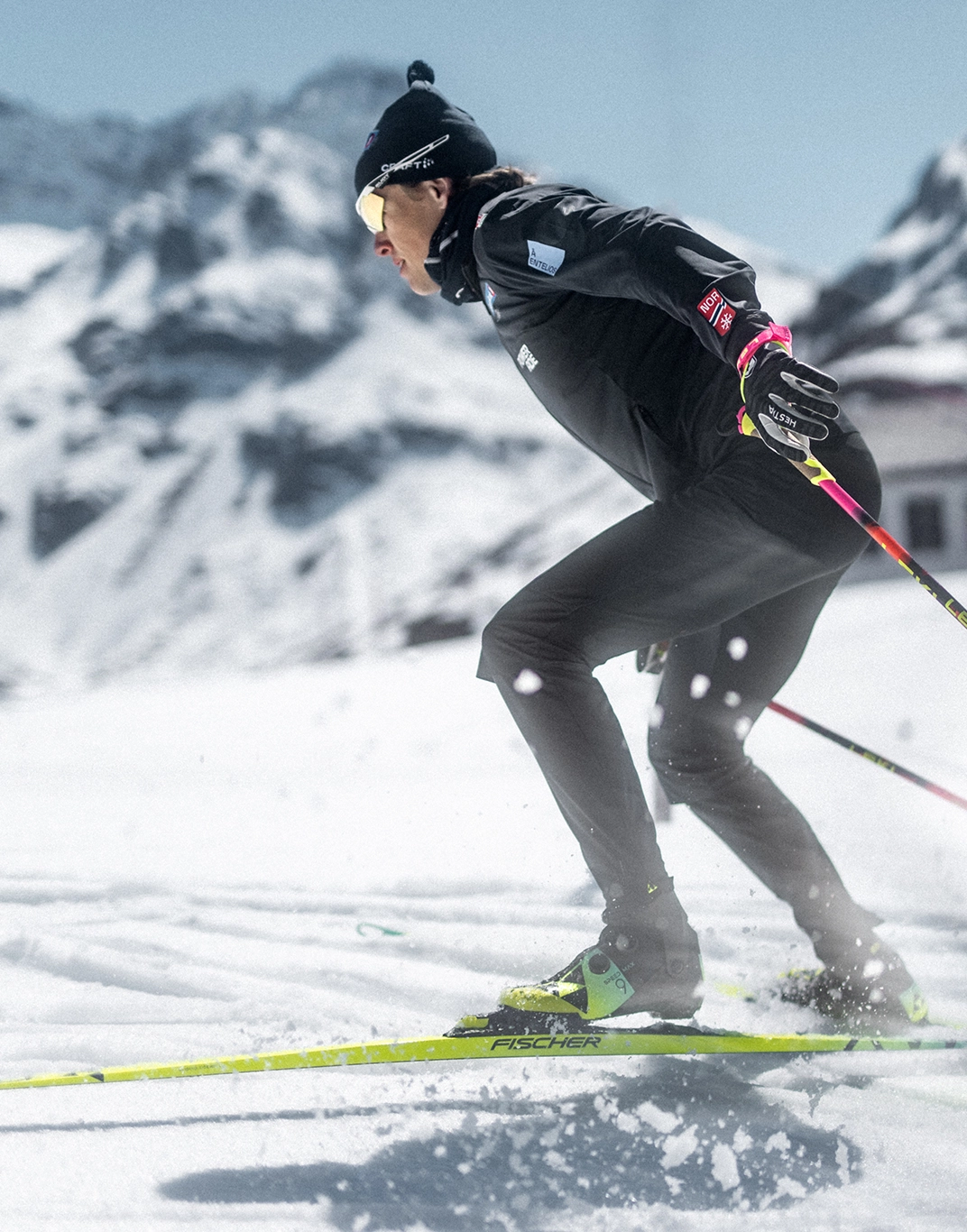
Frida Karlsson and Johannes Høsflot Klæbo are outshining the modern cross-country skiing scene with their sensational successes. In this interview, they look back on Olympic triumphs and setbacks, speak openly about family as a key to success - and about what continues to drive them forward.
Six Olympic gold medals - did you ever think that was possible?
Johannes: Actually, no. My dream was maybe five - if everything went perfectly. Now it just feels crazy - better and cooler than I expected. I’ll be proud of that for the rest of my life.
What counts more: six gold medals at the Olympics or in Trondheim?
Johannes: That’s a tough one. Trondheim was tougher and meant more to me personally because I’d been working toward it for ten years. But the Olympics are bigger on the international stage. The good thing is that I was equally successful at both - they’re equal.
What do your first Olympic gold medals mean to you?
What went through your mind during the relay when Ebba fell?
Frida: A lot. After things didn’t go well for me in Beijing, I was hungry for a revanche. I just wanted to enjoy the Olympics. I managed to do that and was able to perform at my best.
What went through your mind during the relay when Ebba fell?
Frida: I didn’t actually see the fall itself, just that she came around the corner on one ski. I thought, “Not again,” and looked like a diva. We have the best women’s team, but Sweden and relays are not the best combo.
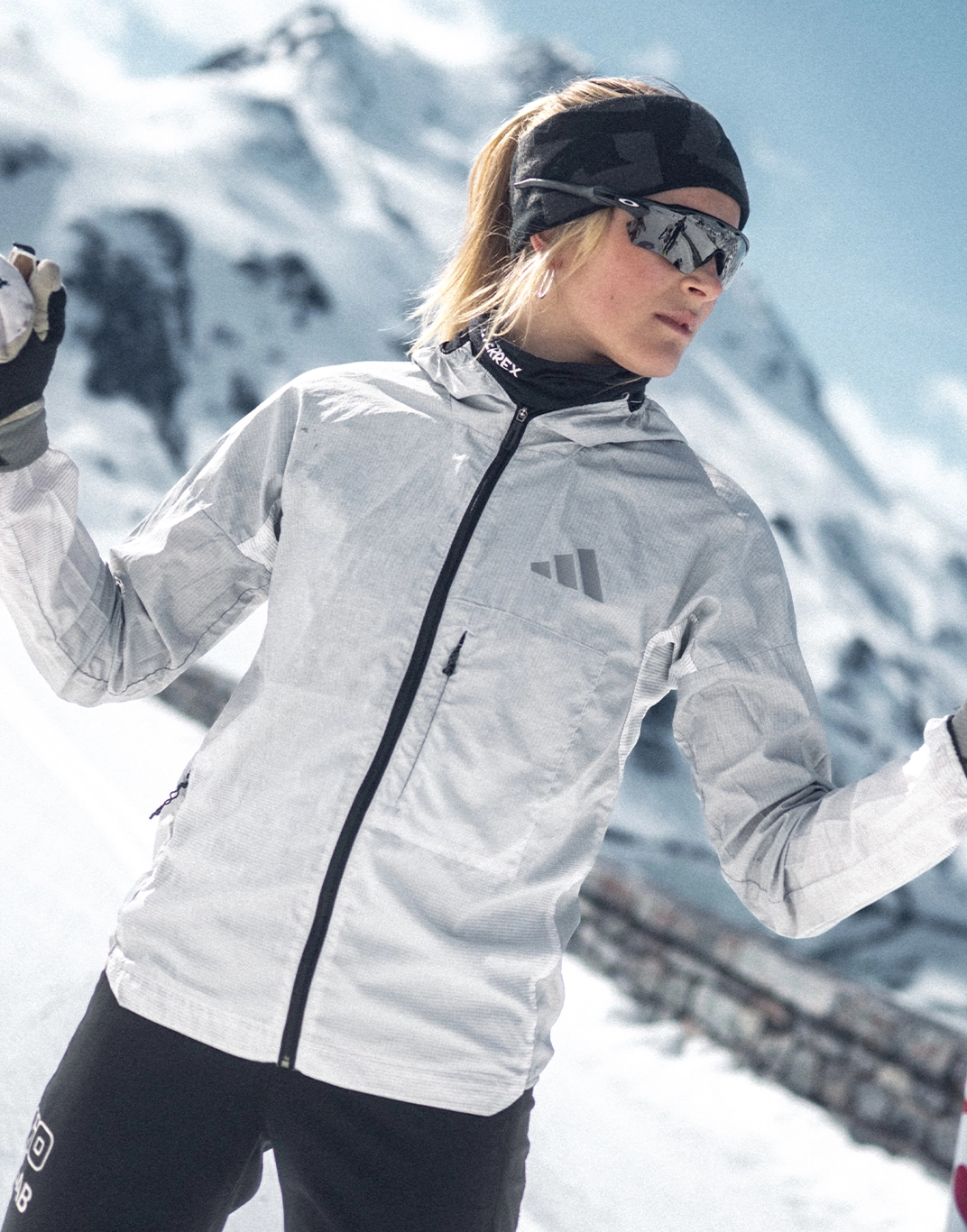
How did you deal with that as a team afterward?
Frida: Our goal was to win gold, but given how the race went, we were super happy with silver - after all, there are different ways to win. It brought us closer together. At the evening meeting, we actually didn’t sit spread out but huddled really close together. It felt good - everyone wanted to be there for each other. Ebba’s fall was the topic of the day, and in the end, everyone - including Ebba - was laughing about it.
Your sprint on the final climb went viral—how did you come up with that technique?
Johannes: It’s something that’s developed over the years. Around 2016, my grandfather and I started working on it. Since then, we’ve been fine-tuning little things here and there. At the Olympics, everything came together perfectly, and it was cool to see how people reacted to it.
What does it mean to you that you won all three Crystal Globes in 25I26?
Johannes:They were my motivation at the end of the season. No one had ever done that before. It shows that you’ve done a good job over the years. This year, everything went my way, but you also need a little luck. I’m already looking forward to showing them to my grandchildren one day.
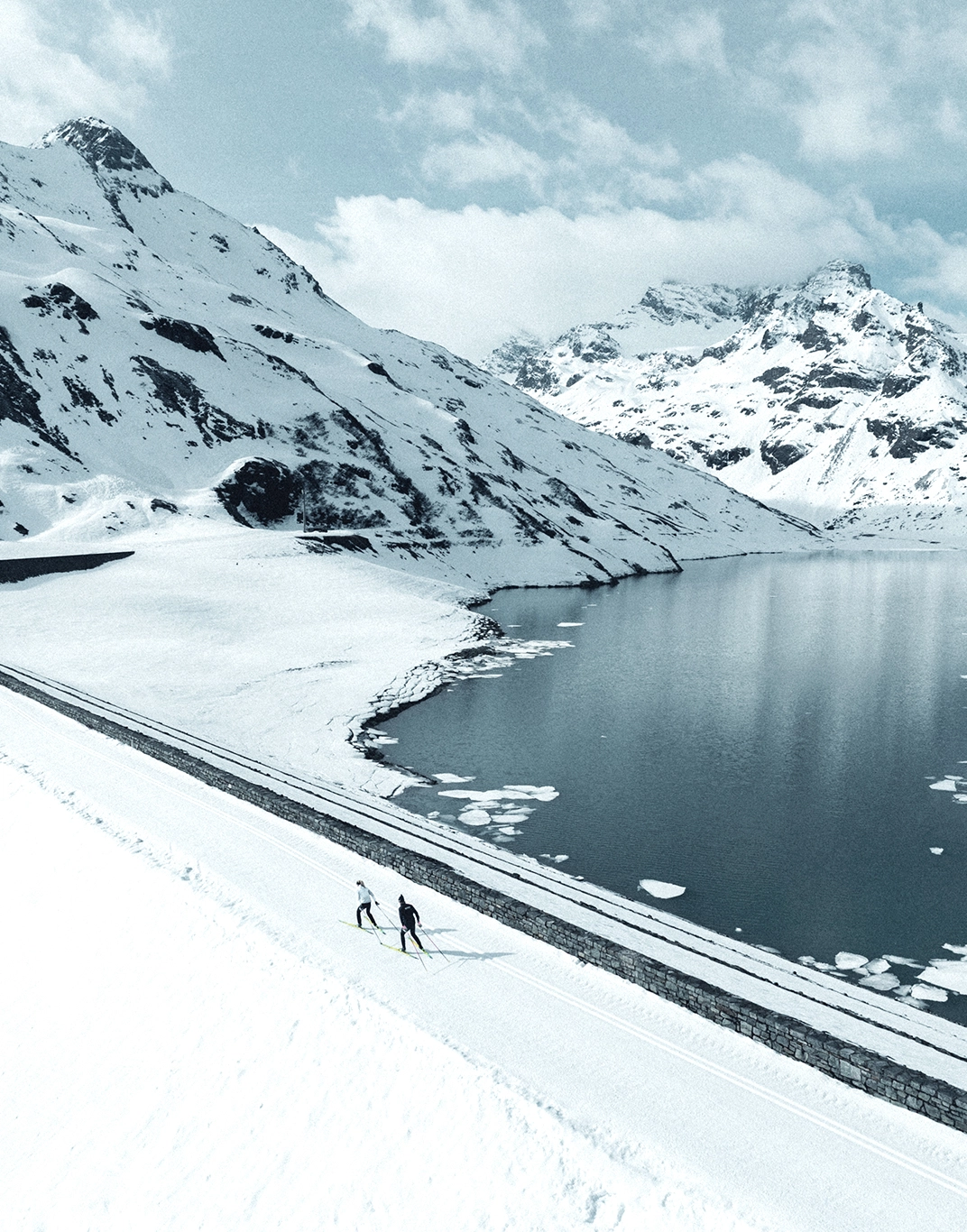
What motivates you on tough days?
Johannes: Everyone has days like that. On those days, it’s important to focus on your big goal. For me, that was Trondheim for a long time, and then the Olympics. For me, it’s always about finding things that matter to me and that I can prepare for.
Frida: I like the mix of having fun and facing challenges. I don’t exactly enjoy the tough moments as they happen, but I know I’ll be even more proud afterward for getting through them.
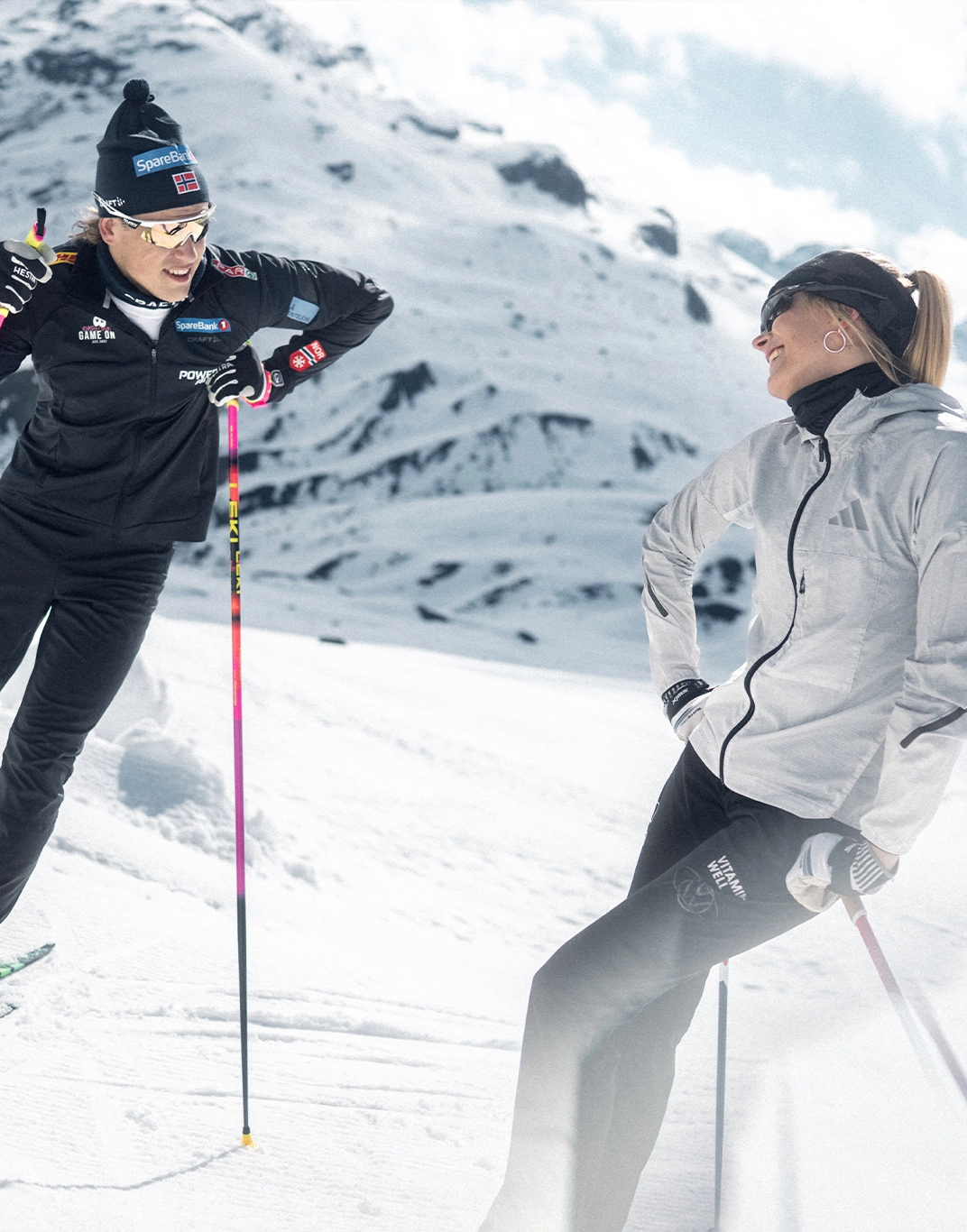
Your careers are a family business, what does that mean to you?
Johannes: It has its pros and cons. My grandfather is my coach and one of my best friends; we talk almost every day. My dad takes care of a lot of the behind-the-scenes stuff. The downside: We talk about work a lot - even during family dinners.
Frida: It means a lot to me. My mom is my manager, and my dad is also very supportive. I feel secure because they know me best, and I know that my well-being always comes first for them.
What are your next targets?
Johannes: The World Championships in Falun. There’s a certain rivalry between Norway and Sweden. That’s why winning there is a special motivation for me.
Frida: It’s not about certain victories for me. I love skiing at my best level - when you feel in your body that you’re unreachable. That feeling is just unbeatable.